TL;DR:
A civil lawsuit in California moves through several stages: pre-litigation investigation, pleadings, discovery, pre-trial motions, trial, and potentially an appeal. Most cases resolve before trial through settlement or a court ruling on a motion. Understanding the process helps you anticipate what comes next, what your role is at each stage, and how long the case might take. Having an attorney who prepares for trial from day one gives you the strongest position whether the case settles or goes the distance.
If you’re involved in a civil dispute in Los Angeles, whether you’re the one filing or the one responding, the process can feel overwhelming when you don’t know what comes next.
Civil litigation follows a structured path. Not every case hits every stage, and many resolve well before trial. But understanding the full sequence helps you make better decisions at each step.
Pre-Litigation: Before Anyone Files
Most lawsuits don’t start with a complaint. They start with a demand letter, a failed negotiation, or an investigation into whether the facts support a claim.
During this stage, your attorney reviews the evidence, identifies the legal theories, and often sends a formal demand to the opposing party. Many disputes resolve here through direct negotiation or mediation without ever entering a courtroom. A solid case assessment at this stage can save significant time and expense.
If the other side won’t engage or the demand goes unanswered, the next step is filing.

Pleadings: The Lawsuit Officially Begins
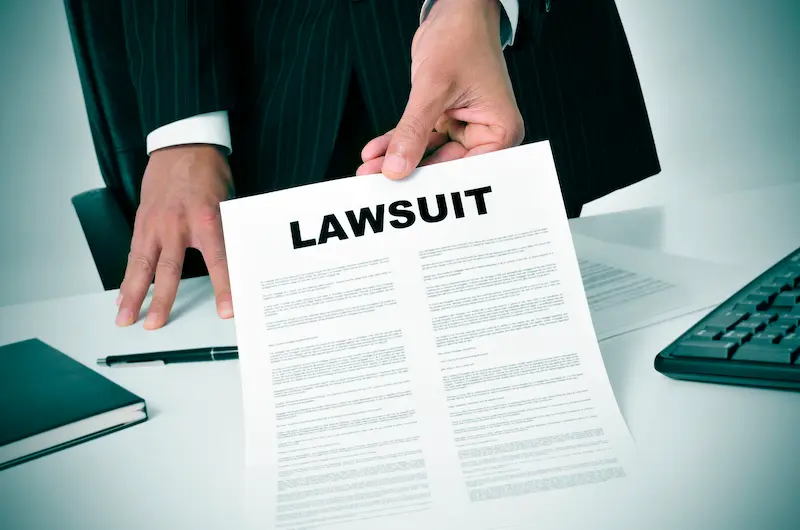
The lawsuit starts when the plaintiff files a complaint with the court and serves it on the defendant. The complaint lays out the facts, the legal claims, and the relief being sought.
The defendant then has a set window to file an answer, which admits or denies each allegation. The defendant may also file a cross-complaint if they have claims of their own, or a motion to dismiss if they believe the case has legal deficiencies.
In breach of contract and contract disputes, the pleadings stage is especially important because it defines what the case is actually about going forward.
The complaint lays out the facts, the legal claims, and the relief being sought. You can review the general steps and required forms through the California Courts Self-Help Guide.
Discovery: Where Most Time & Money Go
Once the pleadings are filed, both sides enter discovery, the formal exchange of evidence. This is typically the longest and most expensive phase of any civil case.
Discovery includes written interrogatories (questions the other side must answer under oath), requests for production of documents, requests for admission, and depositions where witnesses give sworn testimony outside of court.
In business litigation and commercial disputes, discovery can involve thousands of documents, emails, and financial records. The goal is to build the factual record both sides will rely on at trial or in settlement negotiations.
Discovery is also where many cases turn. Once both sides see the full evidence, the path to settlement often becomes clearer.
Pre-Trial Motions Can End A Case Early
Before trial, either side may ask the court to rule on specific issues through motions. The most consequential is a motion for summary judgment, which argues that the undisputed facts entitle one party to win without a trial.
Other common pre-trial motions include motions to exclude evidence, motions to compel discovery responses, and motions to dismiss specific claims. A well-prepared motion can narrow the issues for trial or end the case entirely.
Trial: When A Judge Or Jury Decides
If the case doesn’t settle or get resolved through motions, it goes to trial. In California, either party can request a jury trial in most civil cases, or both sides can agree to have a judge decide.
Trial involves jury selection (if applicable), opening statements, presentation of evidence and witness testimony, cross-examination, closing arguments, and a verdict. Trials can last anywhere from a day to several weeks depending on the complexity.
The plaintiff carries the burden of proof. In civil cases, the standard is a preponderance of the evidence, meaning the plaintiff must show their version of events is more likely true than not.
What Happens After A Verdict Is Reached?
After a verdict, the losing party may file post-trial motions asking the judge to reconsider or modify the decision. If those fail, the next option is an appeal.
An appeal doesn’t retry the case. The appellate court reviews whether the trial court made legal errors that affected the outcome. Appeals in California go to the Court of Appeal and can take a year or longer to resolve.
Not every verdict is worth appealing, but when a legal error changes the result, the appellate process exists to correct it.
How Long Does A Civil Case Take In LA?
There’s no fixed timeline. A straightforward dispute that settles during pre-litigation might resolve in weeks. A complex corporate litigation matter that goes through full discovery, motions, trial, and appeal can take years.
Most civil cases in Los Angeles fall somewhere in between. The pace depends on court scheduling, the volume of discovery, whether motions are filed, and how willing both sides are to negotiate.
Understanding The Process Helps You Prepare
Whether you’re at the beginning of a dispute or already deep into litigation, knowing which stage you’re in and what comes next changes how you prepare.
At Los Angeles Civil Litigation Attorneys, we walk clients through each phase so nothing comes as a surprise. If you need help understanding where your case stands or what the next move should be, contact us for a confidential evaluation.